
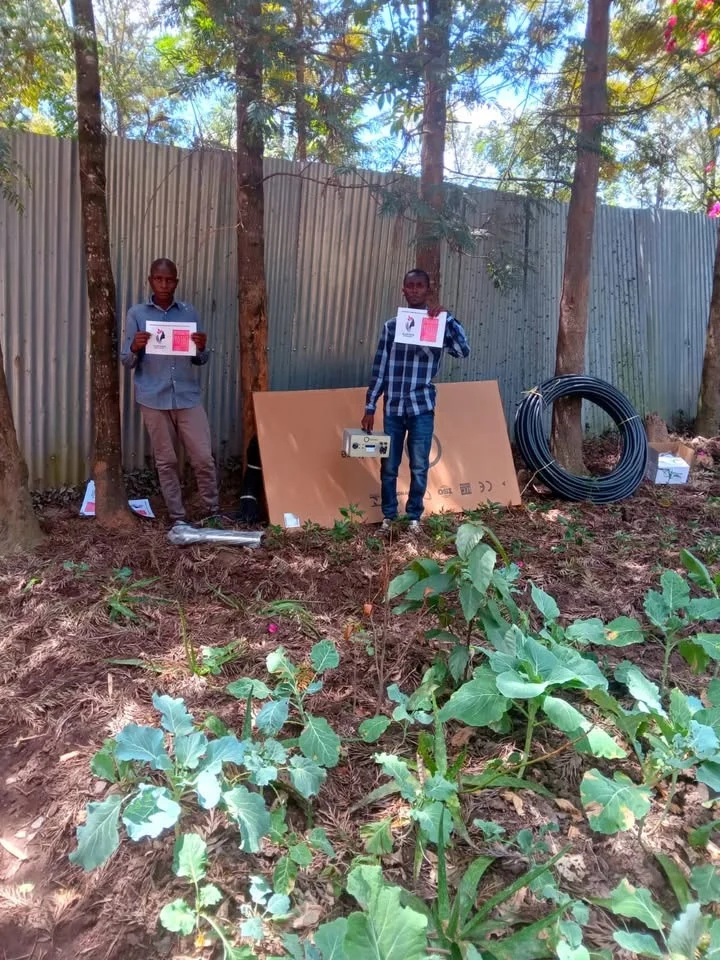
Food security grows from knowledge, land and choice.
Safina supports practical household resilience through sustainable homesteads, kitchen gardens, agroecology, seed knowledge and community learning.
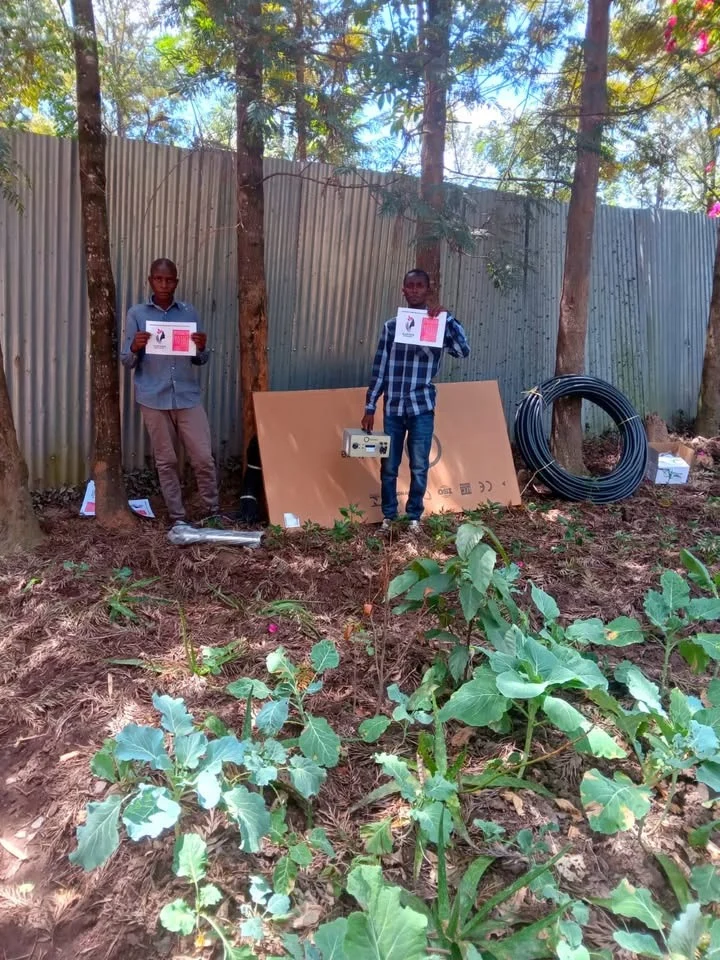
A household garden can be a climate tool, learning space and economic asset.
Food insecurity is connected to climate, household income, access to knowledge, gender, health and the choices families are able to make.
Safina’s work links practical growing skills with learning, local knowledge and leadership so communities can strengthen resilience over time.
Safina’s documented programme records include 200 women equipped with sustainable agriculture skills through the Sustainable Homesteads initiative. See the evidence and context →
From soil to skills.
Kitchen gardens
Practical growing spaces that support nutrition, learning and resilience.
Agroecology
Approaches that connect food production with soil, biodiversity and local knowledge.
Seed knowledge
Learning around seed access, adaptation and community-level food security.
Women & youth leadership
Building confidence, participation and practical opportunity around food systems.
Practical pathways to stronger household resilience.
What does Safina mean by sustainable homesteads?
The approach connects household food production, agroecology, seed knowledge, learning and climate resilience rather than treating agriculture as a stand-alone activity.
How does this connect to women’s empowerment?
Practical growing skills, access to knowledge and stronger household food systems can widen women’s choices and participation when combined with leadership and economic opportunity.
Can a community or organization collaborate?
Yes. Share the location, need, audience and what you can contribute or hope to learn. Send a food and agriculture enquiry →
Explore Sustainable Homesteads, climate action, and women’s empowerment.
Grow resilience from the household outward.
Ask about collaboration, learning exchanges or support for Safina’s food and agriculture work.