Local knowledge. Practical action. Partnership that respects community agency.
Safina works with communities as partners, connecting their priorities with tools, evidence, networks and resources that can help locally led ideas grow.
Community-led
We start with local priorities, lived experience and knowledge rather than importing a ready-made answer.
Connected
Climate, food, education, health and technology are treated as reinforcing parts of community resilience.
Women and girls centered
Safina prioritizes women and girls because their agency can strengthen households and communities.
Technology with purpose
Digital tools are used to expand learning, mapping, access and participation, not as an end in themselves.
Strong local work grows through trusted relationships.
Safina’s organizational records identify collaborations and relationships with World Pulse, ImpactHER Foundation, the Pollination Project Foundation, Multimedia University of Kenya, Haki Nawiri Afrika, the Right to Food Coalition, American Center/American Corner networks and others.
Partnerships can bring funding, knowledge, technology, learning resources, mentoring or access to wider networks.
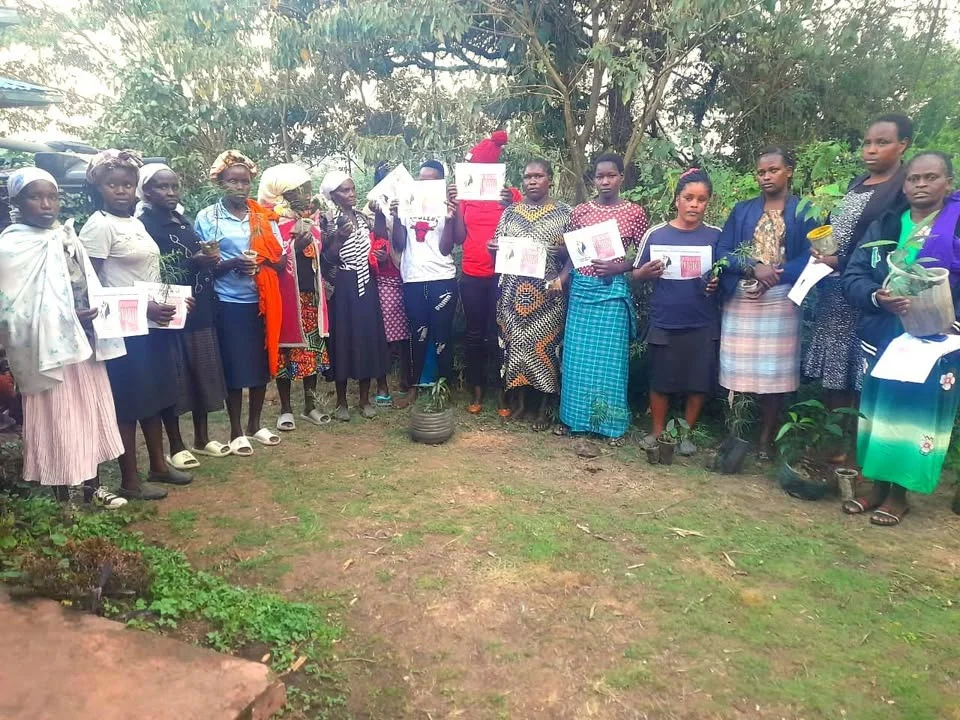
Registered. Community-rooted. Open to collaboration.
Safina Development Organization is a registered Kenyan NGO (Registration No. NGO-YMF552) working across multiple counties and building long-term systems for community development, learning and resilience.
Start with clarity, then build from fit.
Share the community, challenge, opportunity or resource you want to discuss.
Safina considers location, programme relevance, timing, community priorities and available capacity.
Where there is a fit, define roles, resources, expectations, safeguarding needs and how progress will be followed.
Use records, evidence and community feedback to understand what happened and improve what comes next.
Help community-led solutions go further.
Safina welcomes funding, programme partnerships, books and learning resources, technology, technical expertise and pro bono support that strengthen climate resilience, education, women’s empowerment, food security and digital inclusion.